Archive

agriculture


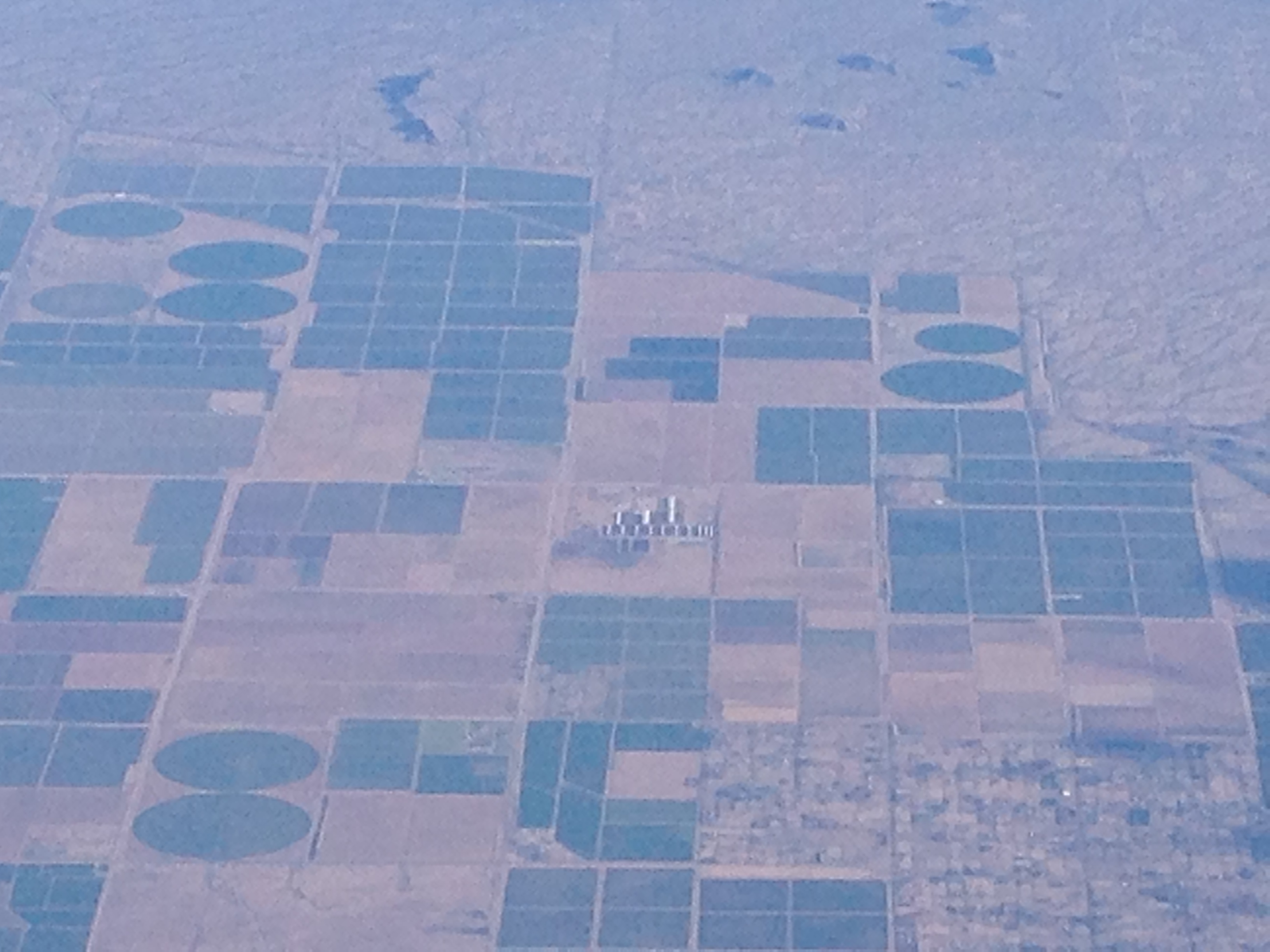
We are all aware of the major drought issues in California this year – it has been building for a couple years.  The situation is difficult and of course the hope is rain, but California was a desert before the big water projects on the 1920s and 30s. Los Angeles gets 12 inches of rain, seasonally, so could never support 20 million people without those projects.  The central valley floor has fallen over 8 feet in places due to groundwater withdrawals. Those will never come back to levels of 100 years ago because the change in land surface has collapsed the aquifer. But the warm weather and groundwater has permitted us to develop the Central Valley to feed the nation and world with produce grown in the desert.  The development in the desert reminds me of a comment I saw in an interview with Floyd Dominy (I think), BOR Commissioner who said his vision was to open the west for more people and farming, and oversaw lots of projects to bring water to where there was none (Arizona, Utah). The problem is that the west never head much agriculture or population because it was hot, dry and unpredictable – hence periodic droughts should be no surprise – the reason they are a surprise is that we have developed the deserts far beyond their capacity through imported water and groundwater.  Neither may be reliable in the long run and disruptions are, well, disruptive.  Archaeologist Bryan Fagan traced the fall of Native American tribes in Arizona to water deficits 1000 years ago.

Yet policymakers have realized that civil engineers have the ability to change the course of nature, at least temporarily, as we have in the west, south, Florida. I often say that the 8th and 9th wonders of the world are getting water to LA over the mountains and draining the southern half the state of Florida. I have lived in S. Florida for 25+ years and am very familiar with our system. The difference though is that we have the surficial Biscayne aquifer and a rainy season that dumps 40 inches of rain on us and LA doesn’t (as a note of caution, for the moment we are 14 inches below normal in South Florida – expect the next drought discussion to ensue down here in the fall). The biggest problems with the Everglades re-plumbing are that 1) no one asked about unintended consequences – the assumption was all swamps are bad, neglecting impacts of the ecosystem, water storage, water purification in the swamp, control of feedwater to Florida Bay fisheries, ….. 2) one of those unintended consequences is that the recharge area for the Biscayne aquifer is the Everglades. So less water out there = less water supply along the coast for 6 million people 3) we lowered the aquifer 4-6 ft along the coastal ridge, meaning we let saltwater migrate inland and contaminate coastal wellfields 4) we still have not figured out how to store any of that clean water – billions o gallons go offshore every day because managing Lake Okeechobee and the upper Everglades was made much more difficult when the Everglades Agricultural Area was established on the south side of Lake Okeechobee, which means lots of nutrients in the upper Everglades, and a lack of place for the lake to overflow, which meant dikes, more canals, etc. to deal with lake levels.

The good news is that people only use 11% of the water in California and Florida, and that Orange County, CA and others have shown a path to some degree of sustainability (minus desal), but the real problem is water for crops and the belief that communities need to grow. When we do water intensive activities like agriculture or housing, in places where it should not be, it should be obvious that we are at risk. Ultimately the big issue it this – no policy makers are willing to say there is “no more water. You cannot grow anymore and we are not going to send all that water to Ag.”  Otherwise, the temporary part of changing nature will come back to haunt us.


I am working on a book on engineering ethics. My wife and I were talking about the ethical obligations of engineers and how that compares to the medical industry (which she is in).  Engineers by canon, creed, code and law, have an obligation to protect the public health, safety and welfare above all else, including their clients and their firms.  It is one of the reasons that engineering services provided to the public require a license and why codes exist to help guide design.  My wife recently raised an interesting question – if licensure means that you must protect the public health, safety and welfare, can you sign and seal a project for which the consequences are not perfectly known?  It harkens back to a lecture I do in my summer environmental science and engineering class – the infamous “What could possibly go wrong?” lecture.  In that lecture we look at logging, mining, oil and gas and agriculture.  I should note that we need each of these industries and will continue to need them for the foreseeable future, so abandoning any of them is not an acceptable answer.  But in each case there are large, historical consequences, as well as current ongoing consequences.  Let’s start with logging which fed the rapid development of many cities by providing accessible building materials.  And actually let’s just start in the upper half of the state of Michigan where loggers cut timber across the state for over 50 years, eliminating white pines form many areas.  The logs were sent down small streams and rivers, many of which had to be altered to take the logs.  Rivers like the AuSable and Manistee changed completely afterward (starting with the loss of sweepers, increased siltation, the loss of the grayling (fish), and the need to introduce trout.  Siltation is a difficult issue for water plants to deal with.  Today the AuSable is a “high quality fishing water” with open fishing season, but limits of zero trout kept in many places or only really large fish (rare in cold water), which means catch and release only, which sounds more like – “not enough fish, so put them back” as opposed to high quality fishing waters.    We needed the logs, but the impacts of logging were never considered and 150 years later, we still suffer the effects.  Few engineers were involved.

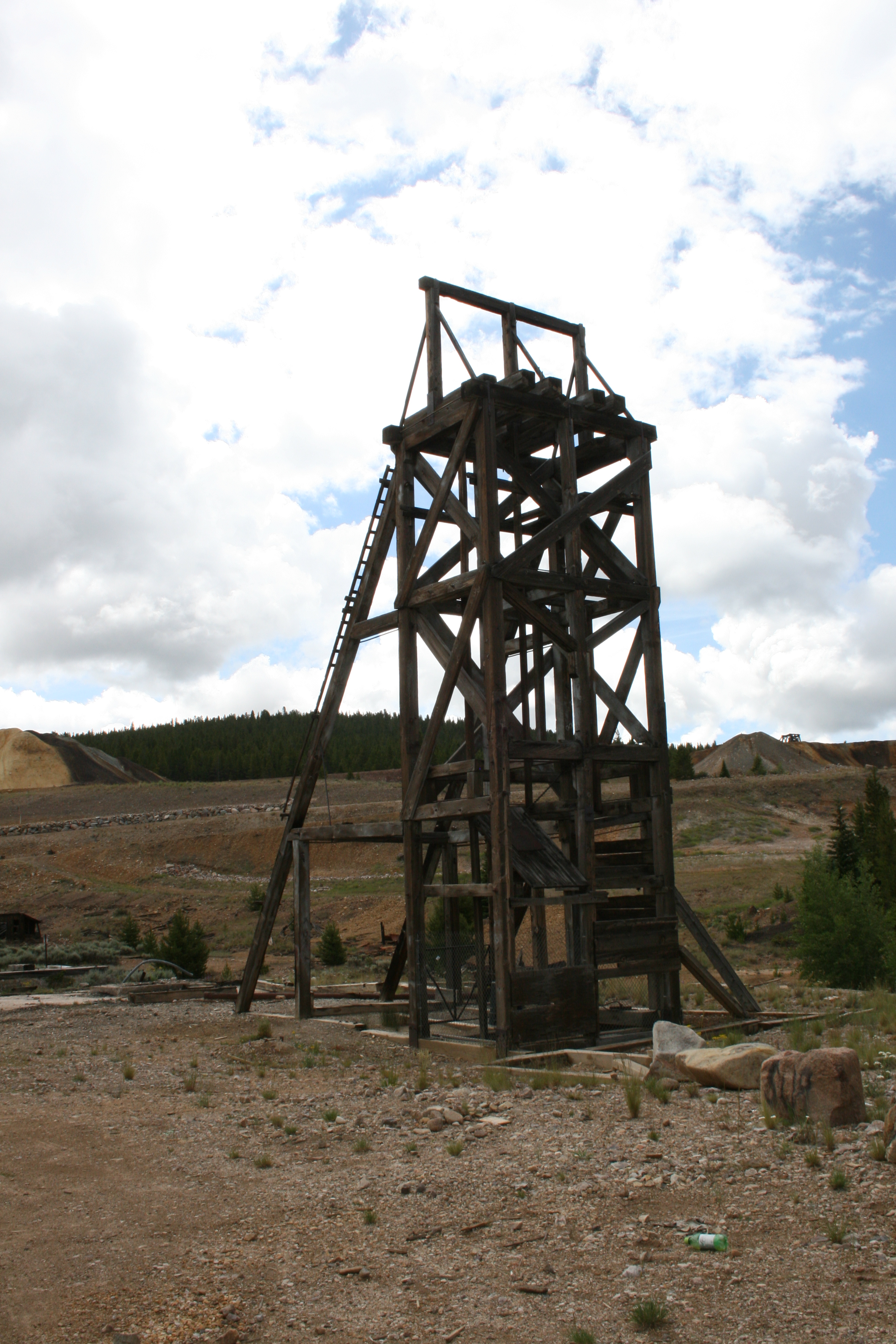
Next we look at mining.  Again we needed the gold, silver, lead, iron, etc. from the mines.  The gold rushes started in the 1840s and expanded across the west.  Material was dug out, metals processed and mines abandoned.  The tailings from these mines STILL leach metals into waterways.  The metals content remains toxic to ecology and to us in drinking water, and will continue be so for years.  Metals are often expensive to remove via treatment.  Sometimes the situation is serious enough that the federal government will construct treatment plants to protect downstream waters (drinking waters for people), as they have done in Leadville and Idaho Springs, Colorado.  The tailings issue will be with us for years, which is why the mining industry is subject to regulations today.  Maybe we learned something?  Engineers have become more involved with mining with time, but historically, not so much.

With agriculture (Ag) the big issue is runoff and siltation.  Siltation has increases as more property is farmed.  The runoff also contains pesticides herbicides, and fertilizers, which impact downstream ecological sites, as well as creating difficulty for water treatment.  Ag is largely unregulated with respect to runoff and best management practices are often lacking.  The results include dead zones in the Gulf of Mexico and the Pacific.  Engineers try to deal with water quality issues in rivers and streams, but the lack of ability to effect changes with Ag practices is limiting.  There are situations like Everglades where the engineers did exactly what was asked (drain it), but no one asked the consequences (lack of water supply), or the impact of farming north of the Everglades (nutrients).

The Everglades results, along with the unknowns associated with fracking (primarily surface and transport) brought the question to my wife — should an engineer sign off on a project for which the consequences are uncertain, unstudied or potentially damaging the public health safety and welfare, like fracking wells, or oil/gas pipelines across the arctic (or Keystone)?  Engineers design with the best codes and intentions and clearly the goal is to design to protect the public, but she has a great point – when you know there are uncertainties, and you know there are unknowns that could impact public health, safety and/or welfare, or which could create significant impacts, should we be signing off?  I am not so sure.  What are your thoughts?

photo 4IMG_6527 (2015_03_08 17_53_48 UTC)