Why covid developed naturally
Leave a comment
For many years, and especially over the past four years we have heard about a variety of subsidies the industry. Subsidies come in a variety of forms – from outright cash payments, to reduced amounts for use of land.
Agriculture gets huge subsidies from the federal government each year ($46 billion or 39% of all ag income). So does the oil and gas industry ($20 billion per year). Many others as well. The question is why? Why subsidized industries that are profitable? Ranching, mining and oil and gas also get to use federal lands at ridiculously low costs for lease costs -far less than any individual of corporate entity would charge for similar leases. Oil and gas is an industry that makes money every year – there are huge private corporations. Most of the agricultural subsides go to huge agri-businesses because the family farm is quickly becoming something of the past. The question is why?
In theory, subsides are used by governments to encourage private companies to invest in new technologies. One of the most obvious is recycling. In the early 1970s when the US decided recycling should be a goal, there was no easy way to recycle steel, aluminum and plastics. Ten years or so later, these technologies emerged as a result of taxes on these products. Today virtually no bauxite mining occurs (the material that yields aluminum) because the amount of material that can be recycled exceeds the demand. Small pug mills to recycle steel have become the backbone of the steel industry in the US< much to the Chagrin of Big operators like Bethlehem steel. The small pug mills can be located almost anywhere. Bu the technology was born of innovation and taxes on steel that were used to subsidize the industry until it became competitive.
Another place where subsidies have paid off is renewable energy, the price of which has fallen by 99% in the past 20 years. If we want a less-carbon energy future, the investment in renewable energy seems like a good investment. And if we create the patents for these new technologies, we can make them and earn the profits off royalties in others. It is what we did with cars and oil.
Subsidies to develop fracking and like technologies might be a place to subsidize exploration, bu that was generally not the case. Those developments were created by innovative entrepreneurs and corporate backers. It has also allowed the US to become independent from certain energy sources because we can now recapture oil and gas in places that used to be to costly to recover.
What about markets we do not want to encourage? Coal and tobacco have received huge subsides in the past. If we want to move away from coal, subsidies would need to end. Coal plants in some area lose money that rate-payers pay for. So people subsidize coal plants? That make little sense. Many Americans live paycheck to paycheck. Most corporations do not. A Bloomberg article from October 2020 notes that corporate America has over $2 trillion saved up in reserves and cash, money that has not been reinvested. Many of these companies are likely to be those with subsidies.
So let’s ask – with $2 trillion in cash, do you think there might be a better use of subsides than cash on hand right now??
The virus has wracked havoc on the world for over a year now. And fortunately, it does look like covid is abating somewhat in the US, although there are pockets like the state of Michigan where covid is on the rise again. Vaccines have helped as have some of the public health mandates like masks. If you don’t believe me, not that cold/flu incidence appears to be down 98% in the winter of 2021 – really masks and hand washing work. But we knew that, or at least health professionals have been trying to tell us this. The good news is that it looks like getting together, while an ongoing concern – we still see spikes) are going to permit a more “normal” Memorial day, 4th of July and summer.
Testing verifies this also. Testing has taken several forms but one of the more interesting is wastewater. Covid survives in wastewater. Lift stations are the best place to take samples because you get a nice mix. The results tend to portend the rise in covid incidence – when the numbers tart to increase, the actual cases start to rise about two week later. FAU has been doing this testing for six months. The cases were limited in the fall until November, then climbed quickly. The number fell over the holidays (no students after thanksgiving, then increased after the first.
Biden exceeded his goal of 100 million vaccines in the first 100 days, and everyone having access by the summer. In part that is fueling a return to the new normal. Schools will likely include continued simulcasting and businesses will continue to zoom, but more normalcy is coming. Now most states will vaccinate those over 16 but all evidence points to the fact that boosters will be needed in the fall.
The question has been how will the winter flu season be in 2022. In 2021 the flu season was 98% below “normal” – that looks like social distancing, handwashing and masks. IF we continue will that perpetuate the slower spread of flus? The covid crisis cannot recede fast enough. I think we all want a return to the new “normal,” which will include being able to go out to dinner, movies, plays, sporting events and concerts.
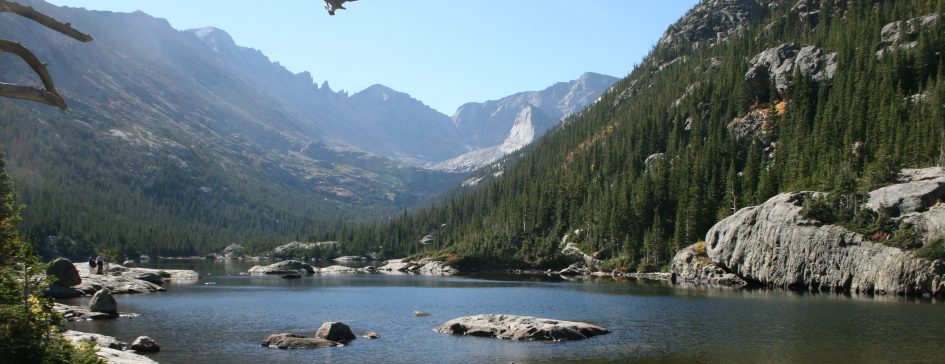
I got shot twice with the Pfizer vaccine. That gave me hope for a couple trips I wanted to take. The first, was the AWWA annual conference and exposition in San Diego. That will not happen, but I will be teaching elected officials on line. The second it a family trip to Colorado. Where we say is on the west side of Rocky Mountain national Park, where the East Troublesome first scorched most of the west side, jumped the mountains and scorched more on the east side. Right now, only three of the trails we hike are open. One more is partially open. The entrance station burned. Many of the trails had old buildings – no clue if any are there. Likewise bridges. We will see what it looks like.
Among the big events in the past month are two issues that affect water and sewer utilities. The first was a hack of the Oldsmar water plant in early February. The hacker accessed the plant controls and adjusted a chemical feed system, which created a potential health risk to the community. The good news is an operator noticed that something had changed and called authorities. The FBI confirmed the hack. So how did that happen and can it happen again?
Technology is great, but it cuts two ways. The first is that it allows us to gain data on our systems and to use that information to improve operations. As time has marched on, operators and others have sought more and more data, and more people have wanted to access and use that data. Administrators, public safety, regulatory agencies sand others all have asked for access as they saw the opportunities. And as the systems have become more complex and more access is needed, there is more need for access to IT personnel and others to maintain the system through backdoor access points. That means wired and telephonic access, which opens the doors for unauthorized people to access the system.
One operator’s solution is to pull the wires out of the wall, and remove the blue-tooth access. So, no electronic access. He has argued that administrators do not need access as the plant is staffed 24/7. The site has cameras and alarms note on the exterior walls and inside. Those are patched to police, but not the operator computers. No phone access to operations either at the plant.
He has a point. Access to real time data is great, but carries a risk. He is not willing to take the risk or put his customers at risk. What is the value of 24/7 real time access to people not on the plant site? It’s not like they are making operating decisions from home. Nor are they needing data for analysis and reports over the weekend. We can get that data directly from the plant when we need it. Do we really need all this access? We need to think about this.
For years the federal government has been concerned about foreign and domestic hackers interfering with the power grid. The water sector is less considered but just as critical. Hackers have been able to penetrate the grid on a number of occasions. It creates significant potential for economic and social challenges. We need look only at the aftermath of hurricanes or the recent snowfall in Texas to understand the challenges with a grid shutdown. Hackers can do the same. Even shorter term impacts like the 2003 northeast Blackout can create a problem. Longer term impacts can wreak havoc on society.
 publicutilitymanagement