The Flint saga continues. The latest is that they continue to use Detroit water, but will convert to the new Lake Huron supply in 2018. The argument now is who’s water plant will be used. The County is building a plant. John Young notes that the Mayor of Flint wants to use their own plant. I think we know how that worked out last time. All the non-elected officials overseeing the City say buy from Genessee County. Should be interesting to see how that plays out.
Meanwhile Midwest regional EPA officials appear are being criticized for failing to deal with the problem in a timely fashion. EPA delayed their emergency declaration for 7 months, but EPA says the state action prevented EPA from acting. This is exactly what the states asked for when they persuaded Reagan to delegate authority from EPA to the states. Then the finger pointing starts when state officials do not react quickly because the state legislature cut their budget and no one is asking about that like they did in Walkerton in 2001. It could have been predicted especially when too many states have legislatures that want to starve the bureaucracy. But they forget why the bureaucracy was there to begin with – because something bad happened and government reacted to it by passing laws and creating oversight. Delete the oversight and bad things happen. It is human nature.
That will play out, but there still is the problem of the people who made the decisions in the first place. As the elected officials in the class I taught this summer noted, it was a political decision to save money that created this problem to start with, not an operation issue. The operational issue came up after the elected officials decided to start up a 50 year old plant that had not been run more than 18 months in 50 years, and after improvements were quickly made to the plant, but never tested. Not sure how the engineers (sorry) let that happen, but why is it that no elected officials have been scrutinized for their bad decisions? It makes us all look bad and sends a poor message to the residents of the country, not just Flint.


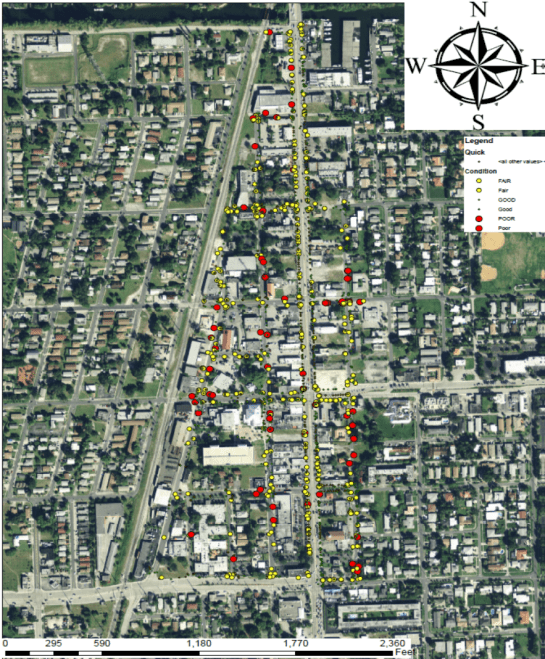



 A week or so ago, on a Sunday afternoon, I flew across Middle America to Colorado for a meeting and was again struck by the crop circles that dominate the landscape west of the Mississippi River. They are everywhere and are a clear sign of unsustainable groundwater use. I recently participated in a fly in event for National Groundwater Association in Washington DC, where several speakers, including myself, talked about dwindling groundwater levels and the impact of agriculture, power and economies. The impact is significant. Dr. Leonard Konikow, a recently retired USGS scientist, noted that he thinks a portion of sea level rise is caused by groundwater running off agriculture and from utilities and making its way to the ocean. He indicated that 5% of SLR each year was caused by groundwater runoff, and has upped his estimates in the past 10 years to 13%. This is because it is far easier for water to runoff the land than seep into rocks, especially deep formations that may take many years to reach the aquifer. And since ET can reach 4 ft below the surface, many of the western, dry, hot areas lose most of this water during the summer months. Hence the impact to agriculture, and the accompanying local communities and their economies will be significant.
 In the last blog we talked about Flint’s water quality problem being brought on by a political/financial decision, not a public health decision. Well, the news get worse. Flint’s deteriorated water system is a money thing as well – the community has a lot of poverty and high water bills, so they can’t pay for improvements. They are not alone. Utilities all over the country have increasing incidents of breaks, and age related problems. So the real question then is who are the at risk utilities? Who is the next Flint? It would be an interesting exercise to see if a means could be developed to identify those utilities at risk for future crises, so we can monitor them in more detail as a means to avoid such crises.
 publicutilitymanagement