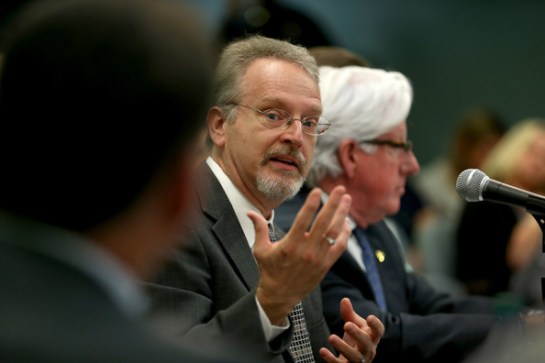
Fred+Bloetscher+Senate+Committee+Holds+Hearing+cQCSwINqgm3l

In my last blog I introduced our ethics project we hope to make progress on.  But here is one of the interesting questions, especially in Florida.  I could not find any actual laws or rules issues here, but it is increasingly common for big engineering contracts to have lawyers, lobbyists, etc. get involved in what is intended to be a qualifications based selection process? There is an interesting issue raised in 287.055 FS (CCNA) where the legal intent is that governmental agencies “shall negotiate a contract with the most qualified firm for professional services at compensation which the agency determines is fair, competitive, and reasonable.” Most states use credentials and qualifications for selection as opposed to cost, because the lowest cost may not get you the best job.  You want people doing engineering that have experience with the type of project you are doing.  This has come up to me with storage tanks, membrane plans, deep wells, etc.  You want someone that has done it before, not someone who is cheaper but hasn’t. There is too much at risk.

In addition the statute is fairly specific about contingent fees (as are most states):

Ch 287.055  (6) PROHIBITION AGAINST CONTINGENT FEES.—

(a) Each contract entered into by the agency for professional services must contain a prohibition against contingent fees as follows: “The architect (or registered surveyor and mapper or professional engineer, as applicable) warrants that he or she has not employed or retained any company or person, other than a bona fide employee working solely for the architect (or registered surveyor and mapper, or professional engineer, as applicable) to solicit or secure this agreement and that he or she has not paid or agreed to pay any person, company, corporation, individual, or firm, other than a bona fide employee working solely for the architect (or registered surveyor and mapper or professional engineer, as applicable) any fee, commission, percentage, gift, or other consideration contingent upon or resulting from the award or making of this agreement.” For the breach or violation of this provision, the agency shall have the right to terminate the agreement without liability and, at its discretion, to deduct from the contract price, or otherwise recover, the full amount of such fee, commission, percentage, gift, or consideration.

So here is the question:  As the public becomes more aware of these types of political lobbying activities, does it move the perception of engineers away from a profession and more towards profession toward developers, lawyers and others who are often seen as less ethical than perhaps engineer, doctors, educators, and scientists?  And if so, is this good for either the engineering profession or the local governments (and their utilities) involved in the selection process?  The comment that “that’s how business get done” is not an acceptable argument when the priority purpose of engineers, and utility operators is the protection of the HEALTH, SAFETY AND WELFARE OF THE PUBLIC.  Somehow I think the politicizing of engineering contracts does not help our profession.  Looking forward to your thoughts.


IMG_8055So as 2016 starts, it is time to look at goals for the coming year.  I have several project in mind that I would like to make progress on this year. The first is interesting.  We have embarked on a project that looks at engineering ethics.  The study have several parts:
  1. Historical context
  2. Engineering societies
  3. Laws and rules by the state
  4. Perceptions
  5. Future directions

One of my reference points is an old publication from ASCE by Murray Mantell, who I got to know about 15 years ago.  He wrote such a book in 1964 when he was char of the University of Miami’s Department of Civil Engineering.  I believe he has since passed on, but I have used his book in some of my courses.

Other references come from contact with the Board of Professional Engineers in each state and various society’s code of ethics, and historical versions of same. However a “hole” in our project is the perceptions piece.  Views change with time and with technology.  Things like competition, lobbying, risk and costs create added pressures on engineers and a need to react to those pressures.  So what we would like to do is create a survey monkey survey for engineers, professional and not to respond to as a means to evaluate perceptions.

I do not have ready access to a database for this purpose.  Gathering data form many states would be difficult as well and duplicative as many engineers have multiple licenses.  However, your organization does not have this constraint.  So I am reaching out to several societies to see if there is a means to collaborate on this endeavor.  The program is as follows:

  1. Complete the questionnaire (I have a draft but if anyone has thoughts on what we should ask, I would love to hear them)
  2. Make any final changes and launch it
  3. Send notices to members.

I am hoping that some of these organizations will find benefit and will agree to participate by emailing the survey link to their members.  I will compile the data and we expect to publish it.  Most of the work so far is being done via email, and thanks to some prior students for gathering information on it.  I have a ways to go here though.  So what are your thoughts?  If anyone can help with ASCE, NSPE, ACEC, etc, I would appreciate it.  And if you get that email with a link, I would appreciate your input and comments.


So everyone is doing their Top 10 questions for 2016 (although with David Letterman off the air, perhaps less so), I figured why not?  So it the vein of looking forward to 2016, let’s ponder these issues that could affect utilities and local governments:

  1. How wild, or weird will the Presidential election get? And part b, what will that do to America’s status in the world?  Thinking it won’t help us.  Probably won’t help local governments either.
  2. Will the economic recovery keep chugging along? Last time we had an election the economy tanked.  Thinking a major change in direction might create economic uncertainty.  Uncertainty (or panic) would trickle down.  Status quo, probably keeps things moving along.  .
  3. What will the “big” issue be in the election cycle and who will it trickle down to local governments and utilities? In 2008 it was the lack of health care for millions of Americans and the need for a solution. Right after the election we got the Great Recession so most people forgot about the health care crisis until the Affordable are Act was signed into law.  And then ISIS arose from a broken Iraq and Arab summer.  None helped local governments.
  4. What are we going to hear about the 20 richest Americans having more assets than the bottom 150 million residents? 20 vs 150,000,000.  And while we are at it, the top 0.1% have more assets than the bottom 90%, the biggest disparity since the 1920s.  While we will decide that that while hard work should be rewarded, the disparity is in part helped by tax laws, tax shelters, lobbying of politicians, etc. as Warren Buffett points out, indicate a discussion about tax laws will be heard.  Part b – if we do adjust the tax laws, how will we measure how much this helps the bottom 99.9%?
  5. What will be the new technology that changes the way we live? Computers will get faster and smaller.  Phones are getting larger.  Great, but what is the next “Facebook”?  By the way the insurance folks are wondering how the self driving car will affect the insurance industry.  So reportedly is Warren Buffett.  Watch Mr. Buffett’s moves.
  6. Along a similar vein, will the insurance industry start rethinking their current risk policies to look at longer term as opposed to annual risk? If so what does that mean for areas where sea levels are rising?  The North Carolina coast, where sea level rise acceleration is not permitted as a discussion item could get tricky.
  7. Will unemployment (now 5%) continue to fall with associated increases in wages? Will that help our constituents/customers?  Will people use more water as a result?
  8. Where is the next drought? Or flood?  And will the extremes keep on coming?  Already we have record flooding in the Mississippi River in December – not March/April?  Expect February to be a cold, snowy month. IT is upper 80s here.  Snowing in the Colorado Rockies.
  9. Will we continue to break down the silos between water “types” for a more holistic view of water resources? We have heard a bunch on potable reuse systems.  More to come there, especially with sensors and regulations.  But in the same vein, will we develop a better understanding of the link between ecosystems and good water supplies, and encourage lawmakers to protect the wild areas that will keep drinking water cleaner?
  10. Will we get water, sewer, storm water, etc. customers to better understand the true value of water, and therefore get their elected official on board with funding infrastructure neglect? And will that come as a result of better education, a better economy, breaking down those silos, drought (or floods), more extreme event, more breaks or something else?

Happy New Year everyone.  Best to all my friends and followers in 2016!


It is the end of the year and we should all reflect back on the year.  Many of us have so much in our lives and so much potential for fulfillment.  Few of us want for much.  Look around the world – it could be way worse.

Going back many years, the short season has been viewed as the start of the new year.  The ancient Druids and many early religions looked at it as the Sun-god being reborn.  The Christians has Christmas.  The Jews have Hanukkah.  I am sure others have other holidays that are a celebration and itime for reflection.  There is much to do in our lives.  There are challenges ahead.  We should plan for 2016.  What do we want to accomplish?

I have had have 60 undergrads over the last 3 semesters, plus 8 grad students, so things are moving along with FAU – my world is in semesters….  Research projects are coming to an end, and I am searching for more.  One is embarking on a study of utility impacts from 2005-2015 Asset management for utilities continues to develop.  On-line rate-modeling is coming – that and asset management will be a bigger focus for PUMPS in 2016 and going forward.

But 2015 has been good.  New kitchen, projects done.  Lots of travel.  90 miles of hiking.  Awards.  Papers.  Two books.  A nice house. Good health. A fantastic woman who agreed to marry me.  Yes, 2015 was good.  I hope is was good for you.  And I hope 2016 will be even better for all of us.


For the new year, my PUMPS website (not this site) will be undergoing reconstruction.  It has been a few years and some things are out of date.  Instead the focus will be more on rate studies, financial planning and asset management as opposed to all the other issues (like publications).  I will have a separate website for me, with all that stuff since some folks have hit the website looking for it.  My main goal is to partner with some folks and try to help smaller utilities with financial and management issues.  I will be adding work products, including the asset management stuff we are doing in Dania Beach and Davie.  My hope is I  energize PUMPS a bit.  At the same time via FAU, we will be developing a study of utility costs and revenues since 2005, with emphasis on the impact of the 2008-2009 Recession.  This will be instructive  – and be an update to the 1997 and 199 studies I did (hard to believe they were so long ago).  We will be looking nationally, as well as at different types of treatment, location and size.  The idea will be to develop some tools to help utilities benchmark where they are in the bigger picture, and to help with identifying trends and potential missing issues.  COnncection rates and asset  is improtant to insure hte timely renewal and repalcement of critical infrastrucutre.  After all, the people who get fired when things go wrong with a utility are not the politicians – its us!.  I will be solicitng (or my studnet will) data from over 300 utilities across the country.  If you are interested, or have clients who might be, let me know.  I have tnatively discussed publication with AWWA – but it won’t jsut be water.  Resue, wastewater etc will be included.  Should be fun!  Look for the results next summer!!


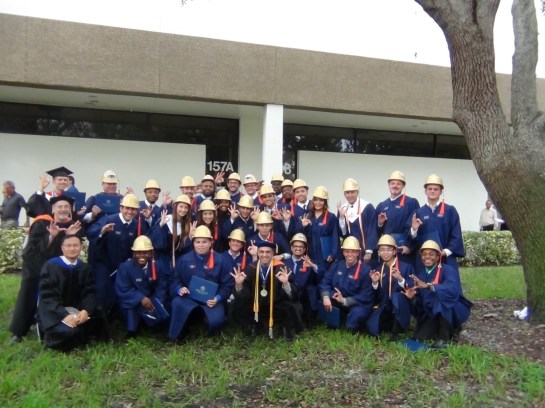
DSC07760I am a little late, but I had the privilege of leading our students into graduation.  We had 4 masters grads and over 30 BS grads  They all did well and should been very proud of their efforts.  Congratulations gang!!  Thanks to Dr. Meeroff for the photo!!


My apologies for being offline for a month. It has been very busy.  I got back from Utah, and it was tests, reports, etc.  Then Thanksgiving – we went to Disney for my stepdaughter.  Then the Florida Section AWWA conference, then student final design presentations with President Kelly present for some of it, then finals, then a trip to the west coast, then posting grades, then it’s now.  Crazy.  And my kitchen is being worked on -see the photos of what is left of it.   Not much, and Christmas is how far away.  Yikes.  At least the wrapping and chopping are 99% done!

In the meantime a lot has happened.  Congress cut SRF funding, but passed the transportation bill.  They passed WITAF, but provided minimal funding.  The debates roll on.  A recent South Park episode is all about illegal immigrants from Canada escaping, then there is a wall built, by the Canadian so t hose who left don’t come back, and then we find out who the new president in Canada looks like… well you just have to watch and be scared.  Very scared.  If you do not follow South Park, well you are just missing it.

Russia had a plane brought down by an apparent ISIS bomb.  The Egyptians deny it.  Too much arguing about was it or wasn’t it to garner much of an outcry.  Best wishes to the friends and families of the victims.  Then France had their 911 event sponsored by ISIS, and most of the world is sending their best wishes to the victims, the victims families and the French population.  In such events, most of the world comes together.  Everybody was French for a day.  Best wishes to the friends and families of the victims. Then the couple in California.  Best wishes to the friends and families of the victims. But it raises a very disconcerting question, and one fraught with far too many xenophobic concerns as ISIS and their allies like the Taliban, Boko Hiram and others continue to reign terror and violence on the rest of the world.  The xenophobic response will be – whom do we trust in the Muslim world?  If you don’t believe in blowback, listen to the debates.  One commentator points out the xenophobia may actually help ISIS (Donald are you listening?).  LOL – of course not.  But utilities should expect another round of security costs and analyses in the future.

The Florida Section conference was great.  The venue was great (Renaissance at Sea World).  The program garnered a lot of buzz and comments.  Who knew at a water conference that potable reuse would be the big topic?  I also won two awards at the Florida Section conference – a best paper award and the Alan B. Roberts award for Outstanding Service by a member.  Wow!!  I am humbled.  A lot of great utility folks were present at the FSAWW conference.  It is a great event for the water industry (that includes wastewater, storm water etc.).  The technical program is designed to be good, timely and useful to those that attend.  While all utilities struggle with costs, please make time to send your folks if possible.  The training cost is reasonable for what you get and who you meet.

My students did well on tests and presentations.  President Kelly was impressed with their presentations and projects at the Dean’s Design Showcase.  We have never had the Dean at student presentations, let alone the President of the University.  My sincere appreciation to him, his staff and those that made it happen.  The students were pleased and impressed.  And they are getting jobs easily.  You can tell people are building and working on infrastructure as most of the graduates get jobs right away, if they don’t have them already.

Grading and the west coast went well.  The Fort Myers News Press-Sunday Headline was “Where has all the water gone” – a discussion on how groundwater is depleting across the country including south Florida which gets 60 inches of rain.  But the article points out what that climate, rainfall, recharge and other factors have been altered in south Florida as a result of development.  We really do make an impact and it is affecting utilities today. This follows another article last week on depleted groundwater around the world.  I have lots of photos in my travels from the air – groundwater use is highest where surface waters are limited – i.e. dry areas.  Except in dry areas, the groundwater does not recharge.  I had a student do a project for his master’s degree that estimated that groundwater depletion is a measureable percentage of sea level rise.  More to come on that.

Next the kitchen.  I will post photos in another blog.

As I said, a busy month.


I ended up in the water industry after college. It was kinda by default since jobs were scarce and I just got lucky. But pipes and treatment fascinated me and even after I became a town manager. There I learned everyone wanted my water and sewer skills. So when I moved to Florida, I moved over to water and sewer full-time and continue to do so today.

I joined AWWA in 1986 and came to my first ACE in 1994. I haven’t missed one since. Along the way I have met a lot of great people, written papers, published books and developed training for AWWA and its members. I have chaired several AWWA conferences and technical programs. I am on the committee for WQTC – hence why I am here (and given two papers). The conference combines research, regulations and management into a package. WQTC is the opportunity to and learn about the research in the industry form the researchers and academics performing the work which is the reason to be here.

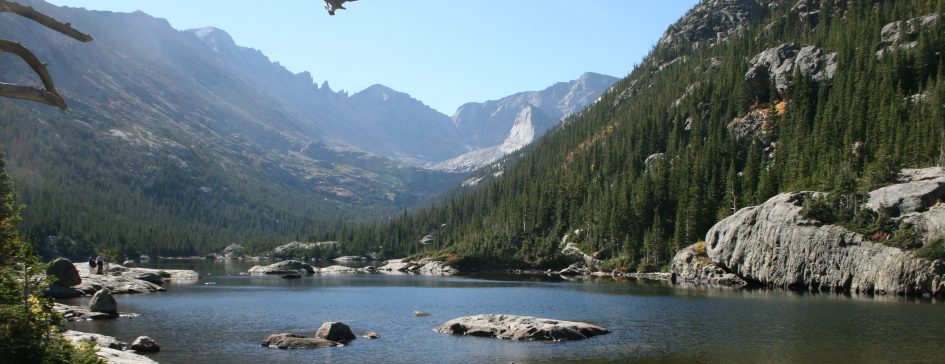
But I was probably always destined for water. I was born an Aquarius (water bearer). When I was a kid I really looked forward to hanging out along the AuSable River or my favorite place to fish, Kyle Lake. I never really thought about whether it was the water or the fishing that enthused me the both (they both did). Fond memories years later. Then I moved to eastern North Carolina and ended up spending a lot of time on the beach, again, not really asking whether it was fishing or the waves. When I moved to Naples, FL, I was re-energized by the waves, and it was a lot less about fishing as I rarely fished. Same as when I started hiking, I always seem to hike to water. Water falls, calm lakes, roaring oceans, streams, rivers – it doesn’t matter. It’s all water. In my industry – it’s all one water!

#mywaterstory


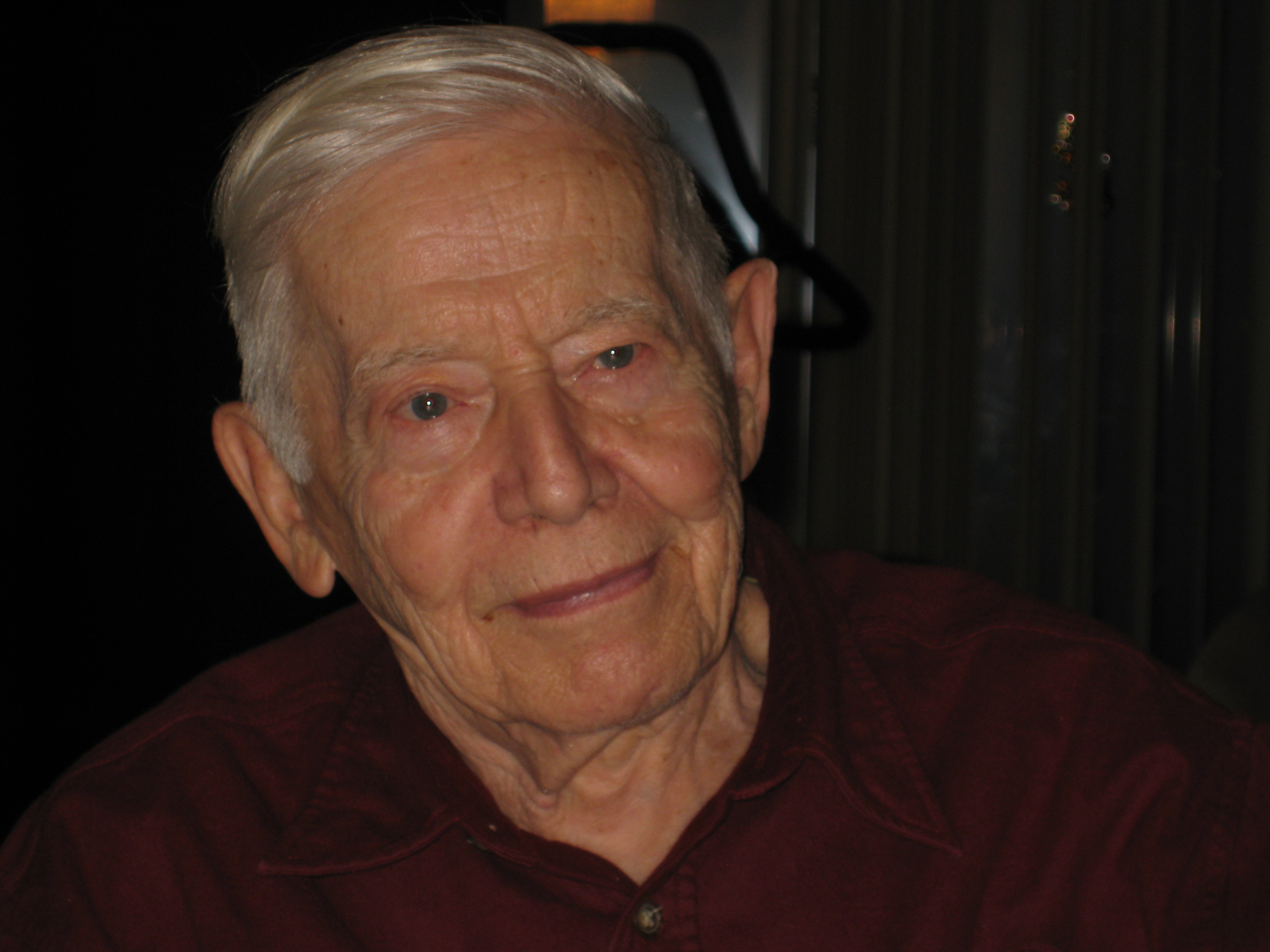
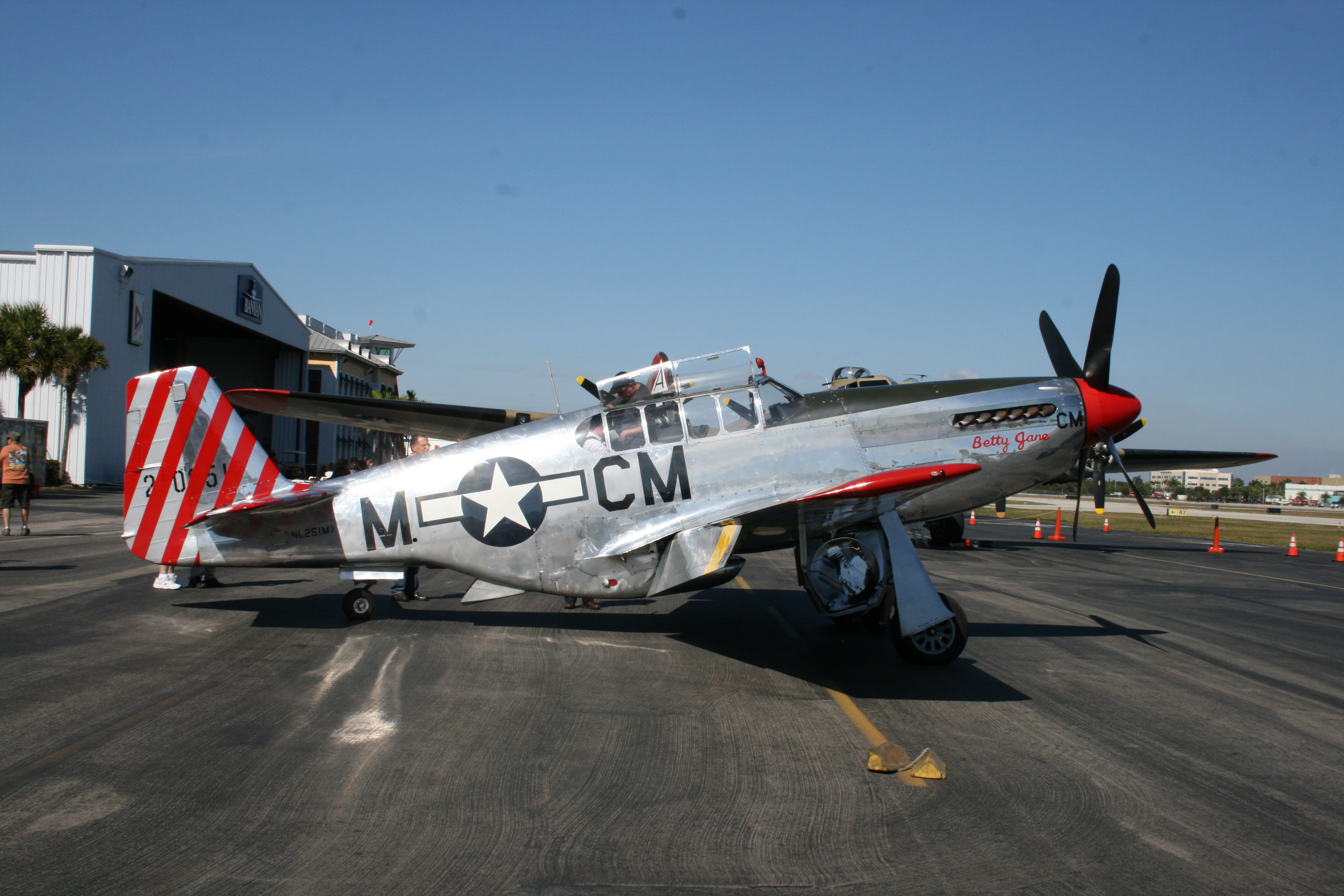
Please thank a vet for their service.  Without them we would not be as free as we are and we would be a lot less safe.  They have made sacrifices many of us cannot understand – we were not there.  But please understand, vets went to fight because their country, that the rest of us, asked them to.  They didn’t go looking for a fight but they did not back down from one.  Some never came back – the ultimate sacrifice.  But they did it because we asked them to lay down their lives for us.  They fought for freedom (ours in the Revolutionary War and War of 1812), for the freedom of others (Civil War), Freedom from tyranny (WW1, WW2) idealism (Korea, Vietnam) and our defense from the attacks of others (Afghanistan).  We should never put them in harm’s way unless there is a national security reason to do so.  And then, we need to give them  our support and understanding coming back.  Those that give us their true service won’t ask for it, but we need to give it as freely as they risk their lives.  And remember, we cannot relate to what they experienced.  Only they can.  So thank  Vet for all you have!

IMG_6285 FB731 IMG_0234.  IMG_6308