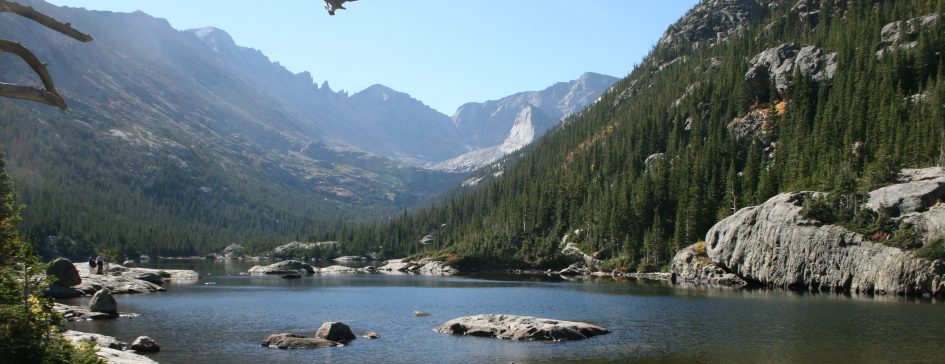
Most of you that read my blog know I do a lot of hiking in National Parks. These parks are truly beautiful places and national treasures. We periodically add beautiful places to the list. These national treasures have always had huge public support (88+%), millions of visitors, and historically bi-partisan support among politicians. Parks are places for respite, for creatures to live, and places to just get away from it all. However, in hiking around, you will notice that that there are things that have not been fixed, things are closed, things are not repaired, etc. The question is why? This goes back about 20 years. Congress has not allocated funds – in fact the national Park Service budget has been reduced and upgrades unfunded. There was a $5 billion backlog when Clinton left office, which Bush said he would correct. But the backlog was $9 billion when he left office and is over $11.5 billion now and Obama says he is going to fix it. However, since 2000, the NPS operating budget has been cut over 20 percent, which only fuels the problem and makes our visits to the park more difficult. The question is when are we going to fix this?
Interesting because while Presidents say they will fix the issue, it is Congress controls the budget and Congress has been unable or unwilling to find the funds to maintain the parks. They have cut their revenues which is unfortunate for all of us. Privatizing is not the answer as some in Congress have suggested – American are not in favor of making Yosemite or Yellowstone into a theme park or commercializing the parks. We want the parks wild. And for water systems we want the parks wild because some of them are headwaters for our water supplies and we want them clean, not full or industrial or agricultural waste. So water systems should be big proponents of protecting parks. But it takes money to protect those assets. It is no different that protecting your car, your house, your buildings, your water plant or your water and sewer piping system. Oh wait, the latter one are problems, too. Sad state of affairs.
Of course it’s not just parks, the most recent State of the industry for AWWA indicated that the top 3 issues all related to infrastructure condition, water supply sustainability and cost to customers. Seems we can’t get the public to understand and our elected officials to fund all of these improvements. And we got WITAF approved, but as yes Congress has provided no funding. Same with the Everglades – promised billions, but not much flowing to everglades protection.
So the big question is: how do we get our elected officials, at all levels, to understand that by being elected, they are assuming the duties as stewards of these assets. They are elected to protect them? All of them. For us!
 publicutilitymanagement
There is an interesting ethical issues that arises in this discussion also. Engineers are entrusted to protect the public health, safety and welfare. When there were few people, projects did not impact many so little thought was given to the “what could possible happen” question. We are still paying for that. Now that there are more people, conflicts become more likely and more frequent. Most times engineers are not asked to evaluate the unintended consequences of the projects they build. Only to build them to protect the public health safety and welfare while doing so, but from a specific vantage point. So if you know a project will create a long-term consequence, what action should you take? There are many water supply examples, where we have engineered solutions that have brought water or treated water to allow development. South Florida is a great example – we drained half a state. But no one asked if that development was good or appropriate – we drained off a lot of our water supply in the process and messed up the ecological system that provided a lot of the recharge. No one asked in the 1930 if this was a good idea. Designing/building cities in the desert, designing systems that pump groundwater that does not recharge, or design systems that cannot be paid for by the community – we know what will happen at some point. So the question is whether there is a conflict between engineers meeting their obligations to the public and economic interests in such cases?
And finally, when considering the ethical issue:
http://bizlifes.net/discovery/855-27-images-that-prove-that-we-are-in-danger-7-left-my-mouth-open.html