Covid in yosemite!
Leave a comment
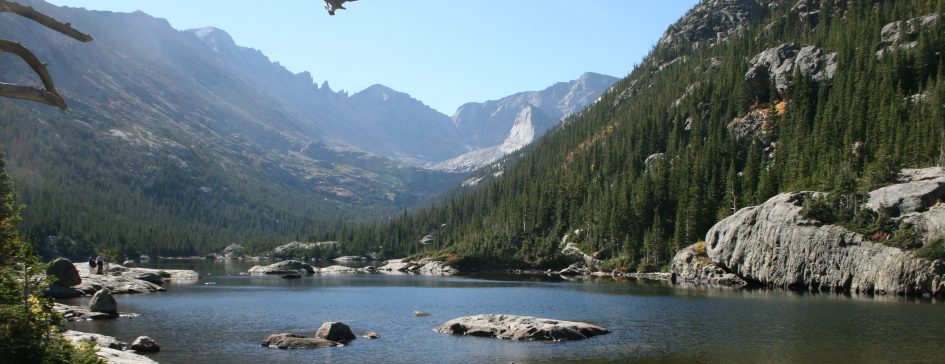


A recent article I re-posted noted that the critters are coming back to parts of national parks where they have not been seen in years. That may be a challenge for new babies born in the covid-19 closing that have not seen people before but it does mean that critters will recover if human influences are reduced. I see if in my backyard as well. A lot more birds and butterflies around.
Other good news – wolf introduction is on the state ballot in Colorado. 3 wolves have been killed in the state in the past 10 years and a live one was sighted in Kremmling. They are around but the numbers are tiny. Keep your fingers crossed as they will help an overcrowded ecosystem. The hope is that the wolves will be able to create the same relationship that exists on Isle Royale.
Three red wolves were transferred to the wild to help struggling red wolf populations in North Carolina as no wolf pups were born in 2019. There are so few of these guys around that maybe this will help the wild population retain their numbers.


And the Montana Fish, Wildlife and Parks Dept announced that it is in favor of restoring bison into their historical range in the Helena-Lewis and Clark National Forest and C.M. Russell NWR. We will see how that works but the bison have attempted to go there.
It could be a good year afterall.
The U.S. House of Representatives has passed H.R 2, which includes H.R. 919, Bird-safe Buildings Act. This bipartisan bill is designed to reduce bird mortality by calling for federal buildings to incorporate bird-safe building materials and design features. As many as one billion birds die annually by colliding with buildings in the United States.
— Read on www.constructionspecifier.com/house-passes-the-bird-safe-buildings-act/


July 1 is the data that laws go into effect in Florida. Many times that are bills that are controversial or harmful. From a utility perspective we have one that is more interesting to read It deals with many things – blue green algae, regulation of septic tanks (a problem throughout the state), and sanitary sewer overflows, and increases fines to overflows (SB712/HB1343). The latter makes utilities notice. Basically, the bill is as a result of overflow flooding in Pinellas County several years ago. Utilities must now report of efforts to reduce infiltration, inflow and overflows. The bill does set up funds to help with the issue (50:50), but let’s look at what this means.
Substantial savings in operations can be achieved by reducing the amount of wastewater that must be pumped and treated. Utilities have long dealt with the infiltration and inflow (I and I) issues in their system by televising their pipes and identifying leak points, but this primarily addresses only the infiltration part of “I and I.”
Inflow, which creates hydraulic issues during rain events, leads to sanitary sewer overflows and can subject the utility to fines from regulatory agencies, and create publicity and legal issues when houses are damages from sewage backing up into houses and businesses. Where there are peaks in wastewater flows that match rainfall, inflow would appear to be a more likely candidate for the cause of the peaks than infiltration from pipes that are constantly under the water table. As a result, dealing with the inflow portion of I and I is needed. Inflow often can be identified and corrected easily, and removing the inflow portion from I and I, often leads to a more focused plan for infiltration correction program. An inflow program will consist of the following:
If flow exists, open consecutive manholes upstream to determine where flow is derived from. Generally, a 2 inch wide bead of water is a limit of “significant” infiltration. The remainder is infiltration. Infiltration has a relationship between groundwater elevation values and flows which were developed using the Pearson product-moment correlation coefficient. This time the dependent value was the baseflow+infiltration and independent variable was the groundwater elevation. Since it was assumed that fluctuations in baseflow were negligible, any changes between baseflow+infiltration were assumed to be a result of fluctuations in infiltration. The first step is inspection of all sanitary sewer manholes for damage, leakage or other problems, which while seeming obvious, is often not the case. The manhole inspection documented condition, GPS location, ties to photographic data and some form of numbering if not currently available.
But televising lines does nothing for inflow -that is a surface issue. So let’s start the effort to address inflow first – as this will help ensure the goals of this new law are met.
Call me if you need help or have questions 239-250-2423.


It has been at least 90 days for most of us dealing with altered realities with covid-19. From a water industry perspective, while first responders, nurses and doctors are heroes in this fight with the virus, let’s not forget our water and wastewater staffs that ensure that the water and sewer needed by all the at-home workers and hospitals works like it should. Social distancing when fixing a water or sewer leak is difficult, but the repair is necessary so our people do what needs to be done. These complex systems continue to operate despite the threat posed by covid-19, and perhaps with increased threats associated with covid19 in wastewater. We hear revenues are falling for local governments. Let us hope that as cities and states see decreases in revenues in the general fund, water and sewer operations do not face budget cuts because of siphoning funds away to balance the general fund. We don’t was to create more examples where utility funds are continually siphoned to other purposes at the cost of deferring needed investments. Respect and thanks for our operations people doing their job is to give them the tools they need to keep us safe. Let’s make that happen!
 publicutilitymanagement