Uncategorized
Colorado Spill
In an interesting twist of fate, USEPA caused a spill on the Animas River when a staffer accidently breached a dike holding back a solution of heavy metals at the Gold King mine because the misjudged the pressure behind the dike. Pressure? The spill flowed at 500 gpm (0.7 MGD), spilling yellow water spilled into the river. Downstream, the plume has travelled through parts of Colorado, New Mexico and Utah, and will ultimately hit Lake Mead. Officials, residents, and farmers are outraged. People were told not to drink the water because the yellow water carried at least 200 times more arsenic and 3,500 times more lead than is considered safe for drinking. The conspiracy theorists are out. The pictures are otherworldly.

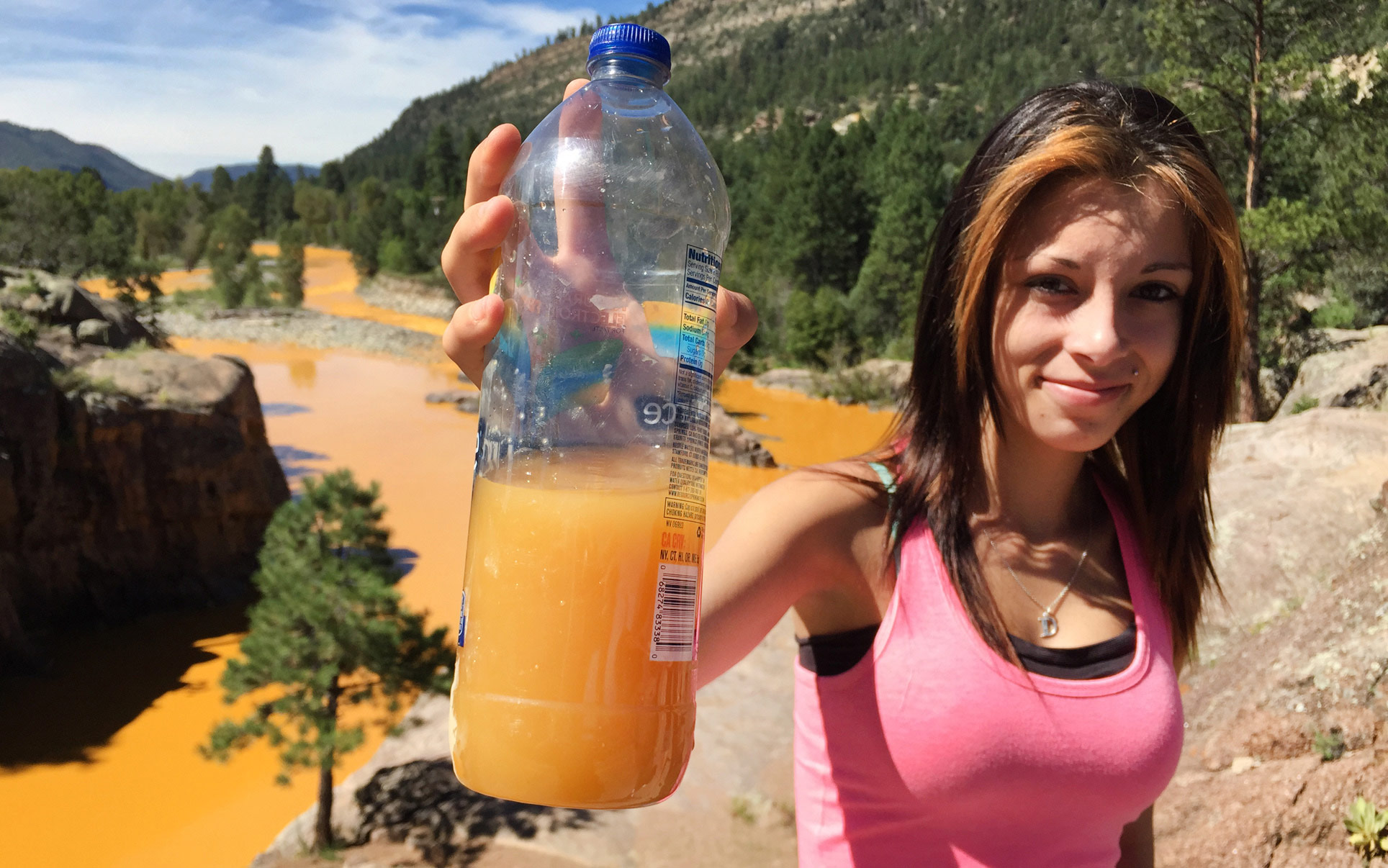


But they are all missing the point, and the problem. This is one of hundreds of “legacy disasters” waiting to happen. We are just surprised when they actually do. A legacy disaster is one that is predicated on events that have happened in the past, that can impact the future. In some cases the far past. There are two big ones that linger over communities all over the west and the southeast – mines and coal. Now don’t get me wrong, we have used coal and needed metals form mines. That’s ok. But the problem is no one has dealt with the effects of mining or coal ash for many years. And then people are upset. Why? We can expect these issues to happen.
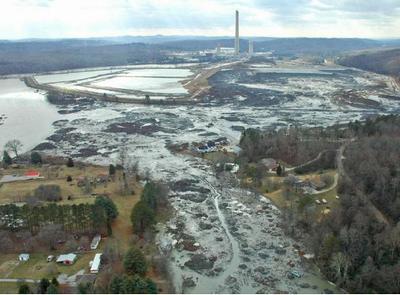
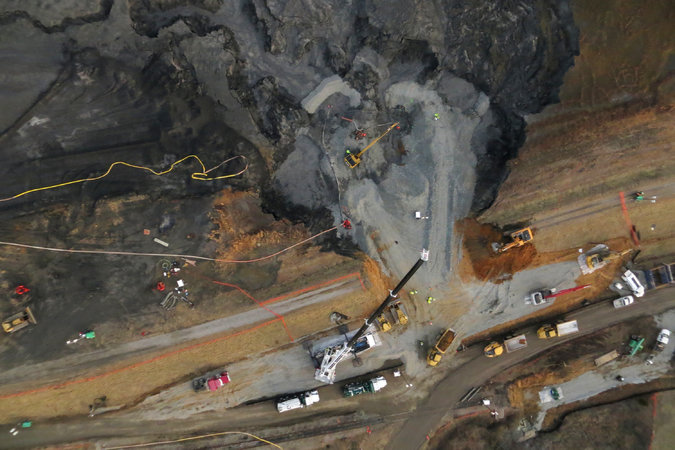
One major problem is that both are often located adjacent to or uphill from rivers. That’s a disaster waiting to happen. The King Gold mine is just the latest. We had recent coal ash spills in Kingston, Tennessee (TVA, 2008) and the Dan River in 2014 (Duke Power). The Dan River spill was 30-40,000 tons. Kingston cleanup has exceeded a billion dollars. Coal ash is still stored at both places. Next to rivers. We had the federal government build ion exchange facilities in Leadville, CO and Idaho Springs, CO to deal with leaking water from mine tailings from the mountains. Examples are in the hundreds. The photos are of the two coal spills, mine tailings that have been sitting the ground for 140 years in Leadville and one of the stormwater ponds – water is red in Leadville, not yellow.
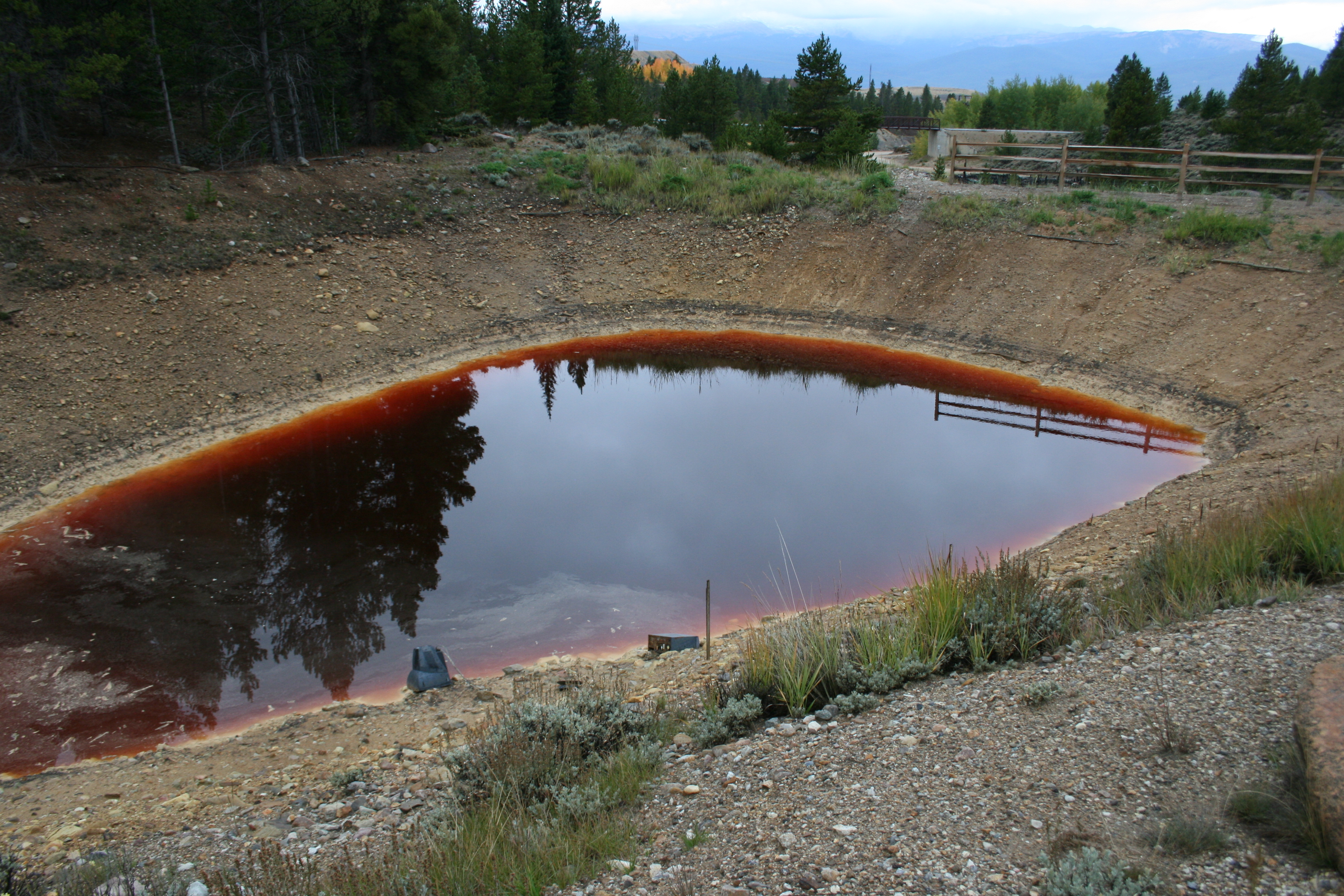
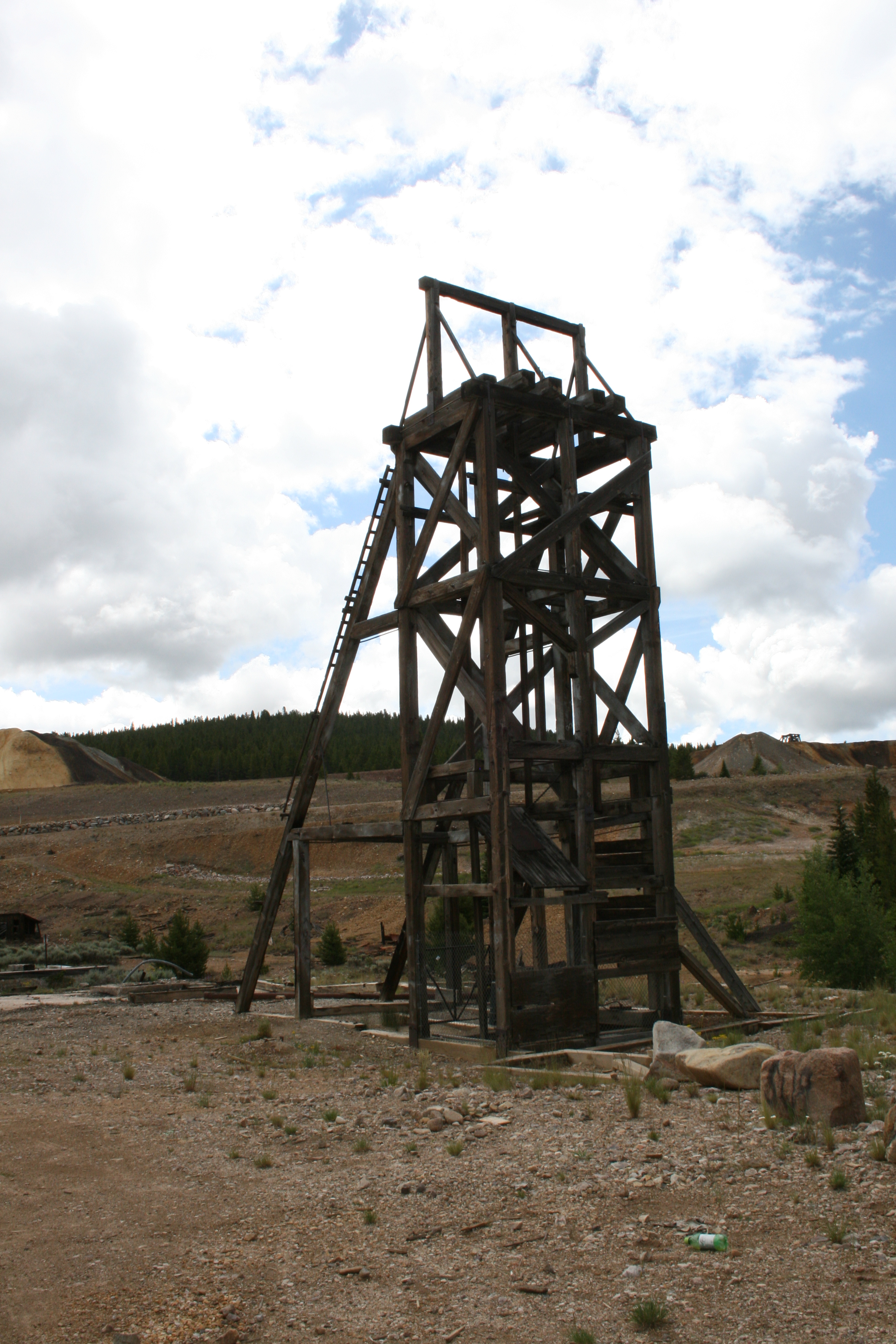
When the disaster does occur, the federal government ends up fixing it, as opposed those responsible who are usually long gone or suddenly bankrupt, so it is no surprise that EPA and other regulatory folks are often very skeptical of mining operations, especially when large amounts of water are involved. We can predict that a problem will happen, so expensive measures are often required to treat the waste and minimize the potential for damage from spills. That costs money, but creates jobs.
For those long gone or bankrupt problems, Congress passed the Superfund legislation 40 years ago to provide cleanup funds. But Congress deleted funding for the program in the early 2000s because they did not want to continue taxing the business community (mines, power plants, etc.). So EPA uses ARRA funds from 2009. And funding is down from historical levels, which makes some businesses and local communities happy. The spectre of Superfund often impacts potential developers and buyers who are concerned about impacts to future residents. We all remember Love Canals and Erin Brockovich. Lack of development is “bad.” They ignore the thousands or jobs and $31 billion in annual economic activity that cleanup creates, but it all about perception.
But squabbling about Superfund ignores the problem. We continue to stockpile coal ash near rivers and have legacy mine problems. Instead we should be asking different questions:
WHY are these sites permitted to store ash, tailings, and liquids near water bodies in the first place? EPA would not be inspecting them if the wastes were not there.
WHY aren’t the current operators of these mines and power plants required to treat and remove the wastes immediately like wastewater operators do? You cannot have millions of gallons of water, or tons of coal ash appear overnight on a site, which means these potential disasters are allowed to fester for long periods of time. Coal ash is years. Mine tailings… well, sometimes hundreds of years.
One resident on the news was reported to have said “Something should be done, something should be done to those who are responsible!” Let’s start with not storing materials on site, next to rivers. Let’s get the waste off site immediately and disposed of in a safe manner. Let’s recover the metals. Let’s start with Gold King mine. Or Duke Power. Or TVA.
Dr. Louis Guillette
I want to acknowledge the passing of a person who has made major contributions to the water industry, but whom few have heard much about. Dr. Louis Guillette was Professor of Zoology at the University of Florida. Dr. Guillette studied alligators in Florida for over ten years, particularly in Lake Apopka. He also studied turtles. One of the things Dr. Guillette studied was the impact of endocrine disrupting compounds on the reproduction of gators and turtles. He was able to show that estrogenic compounds could disrupt the normal patterns for determining sex in turtles and alligators (temperature), and that exposure could lead the male alligators to, well need those little pills, mate with the females. Lake Apopka had a spill and the male alligators were less than proficient let’s say. He tracked this data for years and published peer-reviewed articles about it. I never met Dr. Guillette but I do bring him up in my water/wastewater class when we talk about endocrine disruptors. We lost him at a far too young 60. He will be missed in the industry.
Oil and Gas Lobbying Florida and Congress to Thump and Drill
The Sun Sentinel has a front page report about how the oil and gas industries wants to thump south Florida looking for oil, and because of all the lessons learned from Deep Horizons, how safe it is to drill near the Florida shore. I have yet to hear about the potential for ecological damage in the Everglades (out water supply), but we have heard about the thousands of jobs and billions in tax revenues he state will get according to the lobbyist in Congress and the State. The article points out that some in the oil and gas industry think the lobbyists are overplaying their estimates. Let’s see, North Dakota, New Mexico, Louisiana, Alaska, Kansas, Wyoming, Texas, Arkansas and Oklahoma are all states that depend on oil. They all had huge deficits because oil revenues did not match the industry projections – for example New Mexico suffered a $200 million loss, Louisiana $171 billion less to work with, Alaska a $3.4 billion shortfall, but $14.7 billion in revenues. The oil industry has shed 100,000 of those high paying jobs, and has the fewest oil rigs in production in years. Growth in Texas, Oklahoma, Louisiana and Arkansas may be cut by 2/3 of prior estimates as a result. A double hit on anticipated revenues.
Meanwhile, green California has created more jobs than any state, lowered unemployment, increased state revenues, finally has a surplus, and has created over 100,000 businesses in the past two years, all without investing in oil and gas. I wonder if there is a lesson to be learned there? Florida has always been a boom state. Oil and gas are clearly boom and bust industries, with big lobbies. So we need to ask ourselves, do we really trust their projections, or the reality we see today? And do we really want to risk another potential boom/bust industry for the sake of short term or variable gains? Does Florida have more to lose than it does to gain with oil and gas? Will this really help us long –term? We need to ask these questions, and while we will no doubt need oil and gas for the future, do we really want to risk Florida’s future for potential oil and gas reserves? I mean, what could possibly go wrong, right?
The new text is out for Fall!

Pluto Montage
Perhaps of interest to you all!
Cut an paste it to your browser. It does not work directly form WordPress
MOre Pluto
Pluto!
You may not realize it, but perhaps the greatest discovery that we will see in this decade is Pluto. It is the first new planet we have visited. It is also the only new planet any of us that are alive today will ever see. All other planets are in other solar systems are are not reachable in our lifetimes. We should all marvel at this wonder that the USA and NASA started 9 years ago The arrival comes 85 years after Pluto was first detected/discovered. That’s the amount of fime the fine actor/director Clint Eastwood has been alive. This is very cool….click on the word Pluto below for a ppt.
Happy 4th of July!!

Stay safe out there and remember what courage it took a bunch of unorganized colonists, with this crazy, liberal idea that they could govern themselves, to tell King George “no more.” and declare independence!! Were it not for their crazy ideas, we would not be here today!! Happy 4th of July. 239 and counting!!
Some hot topics/discussions of interest – more to come
Big week – water and otherwise. Here are a couple discussion boards/blogs that might be of interest to follow as they evolve:
https://www.linkedin.com/grp/post/733277-6020246563895390212
And an ethical consideration to contemplate:
 publicutilitymanagement

There is an interesting ethical issues that arises in this discussion also. Engineers are entrusted to protect the public health, safety and welfare. When there were few people, projects did not impact many so little thought was given to the “what could possible happen” question. We are still paying for that. Now that there are more people, conflicts become more likely and more frequent. Most times engineers are not asked to evaluate the unintended consequences of the projects they build. Only to build them to protect the public health safety and welfare while doing so, but from a specific vantage point. So if you know a project will create a long-term consequence, what action should you take? There are many water supply examples, where we have engineered solutions that have brought water or treated water to allow development. South Florida is a great example – we drained half a state. But no one asked if that development was good or appropriate – we drained off a lot of our water supply in the process and messed up the ecological system that provided a lot of the recharge. No one asked in the 1930 if this was a good idea. Designing/building cities in the desert, designing systems that pump groundwater that does not recharge, or design systems that cannot be paid for by the community – we know what will happen at some point. So the question is whether there is a conflict between engineers meeting their obligations to the public and economic interests in such cases?
And finally, when considering the ethical issue:
http://bizlifes.net/discovery/855-27-images-that-prove-that-we-are-in-danger-7-left-my-mouth-open.html